Essential Karate Resources for Every Martial Arts Enthusiast
Unlock Your Potential: Karate Resources for Growth, Fitness, and Self-Defense

Dive into the world of karate and discover how it can elevate your confidence, physical fitness, and discipline. By exploring its benefits, rich history, training methods, and practical self-defense applications, you'll see how martial arts cultivates strong character in kids, boosts adult well-being, and builds essential safety skills. This guide covers:
Key advantages for young martial artists
Fitness and self-defense perks for adults
The historical roots and guiding philosophy
How to choose the right dojo and training program
Essential karate terms, etiquette, and the belt ranking system
Practical self-defense techniques you can use
How to get started at Clermont Karate
What Are the Key Benefits of Karate for Children?
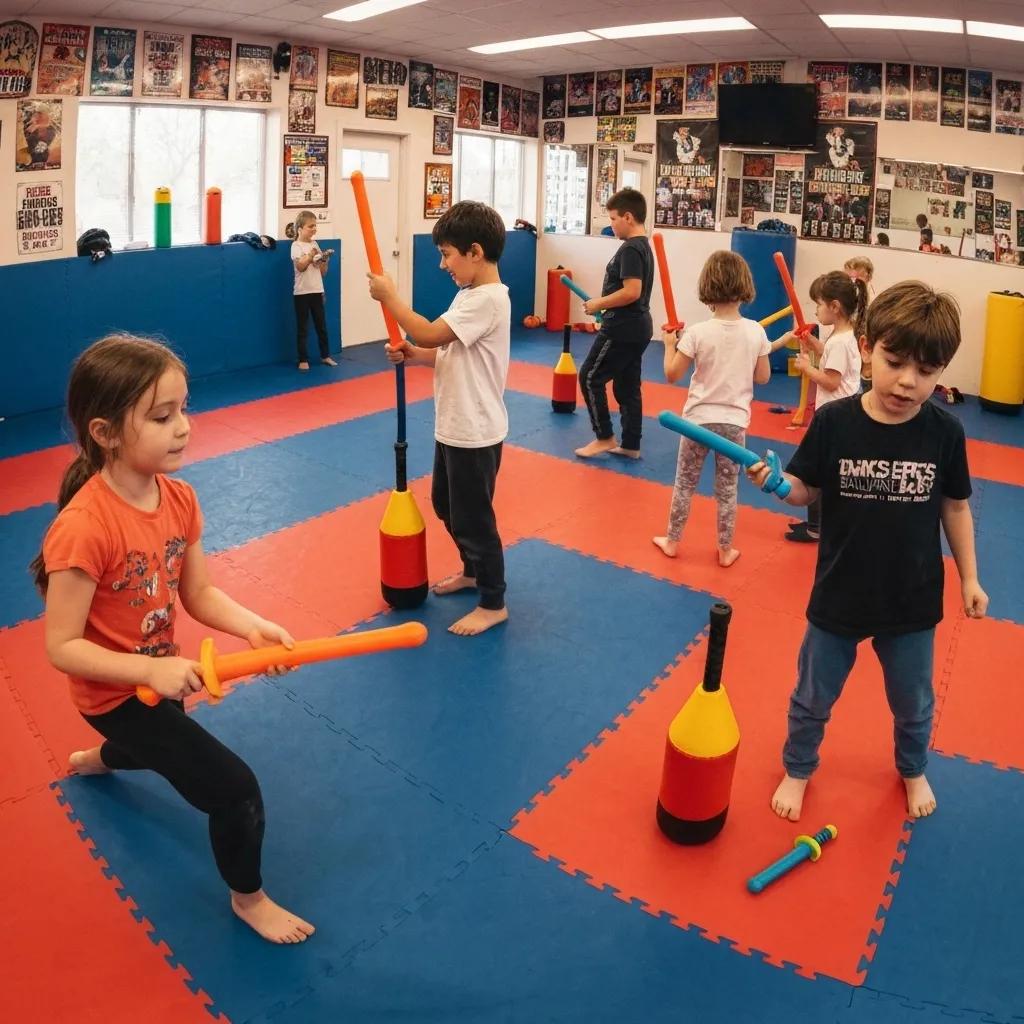
Karate for kids is a powerful blend of physical conditioning, sharp mental focus, and respect training, all designed to foster holistic development. It lays a strong foundation for lifelong healthy habits and unwavering self-confidence. Through structured drills and engaging lessons, this martial art cultivates strength, concentration, and positive social interaction.
How Does Karate Promote Character Development and Discipline in Kids?

Karate nurtures character by instilling respect, perseverance, and self-control through the consistent practice of fundamental techniques. This process builds discipline as children learn to follow dojo rules, show respect through bowing, and maintain courteous conduct during partner exercises. Achieving belt promotions provides tangible experiences of goal-setting and accomplishment, reinforcing a sense of responsibility.
What Physical Fitness Improvements Do Children Gain from Karate?
Children experience significant improvements in:
Strength and Coordination developed through mastering stances and blocks
Flexibility and Balance honed by practicing dynamic kicks and footwork
Cardiovascular Endurance built through continuous pad work and sparring
These combined physical benefits are crucial for healthy growth and complement participation in other sports and activities.
Effects of Participating in Martial Arts in Children: A Systematic Review
A systematic review of 16 studies, including those focused on karate programs, found that martial arts positively impact children's physical fitness. Significant improvements were observed across various parameters such as cardiorespiratory fitness, speed, agility, strength, flexibility, coordination, and balance in experimental groups of children.
This research directly supports the article's discussion on the physical fitness improvements children gain from karate, including enhanced strength, coordination, flexibility, balance, and cardiovascular endurance.
How Does Karate Help Children Build Confidence and Focus?
Karate presents young learners with exciting challenges, from mastering new techniques to memorizing intricate kata sequences. Each progression milestone achieved significantly boosts their self-esteem. Focus is sharpened as they concentrate on precise form and timing, leading to improved attention spans both in the dojo and at school.
Why Is Karate Effective for Anti-Bullying and Self-Defense in Youth?
Karate equips children with practical self-defense skills and teaches valuable conflict-resolution principles, empowering them to respond calmly and assertively. By developing situational awareness and the ability to execute controlled techniques, youngsters gain the confidence to deter bullying and protect themselves, all while fostering a respectful mindset.
How Can Adults Benefit from Karate Training for Fitness and Self-Defense?
Adult karate offers a comprehensive workout that integrates aerobic conditioning, strength building, and mental resilience, making it an exceptional path to fitness and practical self-defense. Regular training enhances overall well-being, effectively reduces stress, and cultivates lasting self-confidence.
What Are the Physical and Mental Health Benefits of Adult Karate?
Adult practitioners enjoy:
Improved Cardiovascular Health driven by dynamic drills and conditioning
Enhanced Muscular Strength and Flexibility cultivated through consistent kihon and kata practice
Effective Stress Relief and Mindfulness achieved by focusing on breath and controlled movements
Sharper Mental Clarity developed through disciplined training routines
These benefits contribute significantly to overall wellness and build resilience for the demands of daily life.
Martial arts, combat sports, and mental health in adults: A systematic literature review
A systematic review investigating the relationship between martial arts and combat sports training and mental health in adults found consistent evidence for positive associations with cognitive outcomes, specifically perceptual and inhibition benefits. The review also noted some relationships with emotional resources and skills, contributing to overall well-being.
This study provides academic backing for the article's claims regarding the mental health benefits adults experience from karate training, such as enhanced mental clarity, stress relief, and mindfulness.
How Does Karate Improve Self-Defense Skills for Beginners and Adults?

Karate introduces fundamental techniques—like powerful straight punches, precise front kicks, and effective basic blocks—that are both easy to learn and highly effective in real-world situations. Training drills emphasize proper distance management, precise timing, and strong posture to maximize defensive capabilities.
What Should Adults Expect When Starting Karate Training?
New adult students can anticipate an initial focus on mastering the essentials: learning key terminology, understanding proper dojo etiquette, and practicing fundamental techniques. Early sessions prioritize injury prevention, gradual physical conditioning, and personalized instruction to ensure steady progress and build confidence with every class.
How Does Clermont Karate Support Adult Martial Arts Training?
At Clermont Karate, our seasoned instructors tailor lessons to meet the specific needs of adult learners, offering flexible class schedules and specialized workshops focused on self-defense and fitness. To gain deeper insight into our unique teaching philosophy and the qualifications of our instructors, we invite you to explore our About Us page and discover how Shotokan principles create a truly supportive training environment.
What Is the History and Philosophy Behind Karate and Its Styles?
Karate emerged in Okinawa, Japan, as a fusion of indigenous fighting traditions and Chinese martial arts. It evolved into distinct styles, each guided by philosophical principles that champion the harmony of mind and body. Understanding its rich heritage illuminates why the practice places such strong emphasis on respect, continuous self-improvement, and community connection.
Who Was Gichin Funakoshi and What Is His Role in Shotokan Karate?
Gichin Funakoshi is revered as the founder of Shotokan Karate. He meticulously adapted Okinawan techniques into a structured curriculum centered on kihon (basics), kata (forms), and kumite (sparring). His profound teachings defined karate-do as “the way of the empty hand,” intricately linking physical discipline with moral and character development.
What Are the Origins and Evolution of Karate?
Karate's roots can be traced back to 17th-century Okinawan villages, where unarmed defense methods were integrated with Chinese boxing techniques. Over centuries, dedicated masters refined kata, established sophisticated ranking systems, and successfully introduced karate to the world, transforming it into the globally practiced martial art it is today.
What Are the Core Principles of Karate-Do Philosophy?
Practitioners are guided by these fundamental principles:
Respect and Etiquette: Cultivating mutual respect through bowing and courteous interactions
Perseverance (Nintai): Demonstrating unwavering effort in the face of challenges
Self-Control (Seigyo): Mastering the ability to manage impulses and emotions
Continuous Improvement (Kaizen): Committing to ongoing refinement and growth
How Does Shotokan Karate Differ from Other Styles?
Style AspectShotokan EmphasisOther Styles FocusStance DepthDeep, linear stancesOften more varied, sometimes shorter stancesMovementLong, powerful, linear strikesMay incorporate more circular or fluid motionsKata RepertoireA core set of 26 kataVaries significantly by tradition and lineagePhilosophical AimAchieving strong mind-body unityMay prioritize athletic competition or practical self-defense
How Do You Choose the Right Martial Arts School or Karate Program?
Selecting the ideal dojo involves carefully evaluating the quality of instruction, the atmosphere of the training space, and the structure of the program to ensure a safe, progressive, and engaging experience. Both parents and adults should assess instructor credentials, curriculum details, and personal objectives before making a commitment.
What Factors Should Parents Consider When Choosing Children’s Karate Classes?
Parents should thoroughly review instructor qualifications, typical class sizes, the curriculum's content, and the safety protocols in place. For instance, our BWKids 4 and 5 program is specifically designed to enhance motor skills and instill respect, while the CWKids 6 to 12 course focuses on building confidence and fitness through age-appropriate challenges.
How to Evaluate Adult Karate Programs for Fitness and Self-Defense?
Adults should inquire about the intensity of the classes, the instructor's experience working with adult learners, and the program's emphasis on practical self-defense applications. An effective program balances kata practice, sparring drills, and physical conditioning to effectively meet both fitness goals and real-world safety needs.
Why Is Local Dojo Environment Important for Karate Training?
A supportive and welcoming dojo atmosphere is crucial for fostering commitment and building strong camaraderie among students. For detailed information about our facility, our distinctive teaching philosophy, and our well-structured programs, we encourage you to visit Clermont Karate’s philosophy page and meet our dedicated Shotokan Karate instructors on our About Us page.
How Can You Schedule a Free Trial Class at Clermont Karate?
To experience our dynamic classes firsthand, we invite you to contact Clermont Karate directly by phone or by completing the form on our website. A complimentary trial session offers a fantastic opportunity to meet our instructors, connect with fellow students, and experience our training routines, helping you determine the perfect program for your aspirations.
What Are the Essential Karate Terminology, Etiquette, and Belt System Basics?
Becoming familiar with common karate terms, understanding dojo etiquette, and grasping the belt progression system are essential for fostering clarity and mutual respect within your training journey. This knowledge ensures you adhere to proper protocols and recognize your advancement milestones.
What Are Common Karate Terms Every Beginner Should Know?
Key terms to know include:
Kihon: The fundamental techniques of karate
Kata: Pre-arranged sequences of movements
Kumite: Sparring or practice fighting
Sensei: A respected instructor
Osu: A term of respect and acknowledgement
Mastering these basics facilitates clear and effective communication during class.
What Are the Key Dojo Etiquette Rules to Follow?
Before entering, always bow at the door, remove your footwear, and address instructors with respect. Maintain proper order when lining up according to rank, remain silent once lessons commence, and always bow after sparring or performing kata to express gratitude.
How Does the Karate Belt System Work and What Does Each Belt Mean?
The belt hierarchy serves as a visual representation of a practitioner's progression through different skill levels in karate.
Belt ColourRank LevelSignificanceWhiteBeginnerRepresents a fresh start and an open mindYellowNoviceIndicates basic understanding of techniquesGreenIntermediateShows improved coordination and powerBrownAdvancedSignifies technical refinement and growing maturityBlackExpertDenotes mastery of fundamentals and leadership potential
What Are Effective Karate Self-Defense Techniques and Practical Applications?
Karate self-defense integrates simple, reliable techniques with heightened situational awareness to effectively neutralize threats quickly and safely. Training emphasizes core strikes, blocks, and movement patterns designed for application under pressure.
What Basic Karate Techniques Are Useful for Personal Safety?
Karate offers these essential defensive moves:
Straight Punch (Oi Zuki) for a direct and effective response
Front Kick (Mae Geri) to create and maintain distance
Upper Block (Age Uke) to deflect incoming high strikes
Knife-Hand Strike (Shuto Uchi) targeting vulnerable points
How Can Karate Training Enhance Women’s Self-Defense Skills?
Women gain enhanced situational confidence and physical preparedness through realistic, scenario-based drills that simulate actual confrontations. The focus on speed, accuracy, and heightened awareness equips practitioners to respond decisively and effectively to common threats.
How Does Karate Prepare You for Real-Life Self-Defense Situations?
By engaging in realistic sparring exercises that incorporate stress management and environmental awareness, karate training cultivates instinctive, reflexive responses. This rigorous preparation helps practitioners react effectively under pressure, ensuring both personal safety and the responsible application of learned skills.
Where Can You Find Local Karate Resources and Programs in Clermont?
Clermont Karate provides expertly structured programs designed for every age group, seamlessly blending traditional Shotokan techniques with contemporary teaching methodologies. Enrolling locally grants you access to highly experienced instructors, engaging community events, and continuous support for your martial arts journey.
What Children’s Karate Programs Does Clermont Karate Offer?
BWKids 4 and 5: Focused on developing foundational motor skills, instilling discipline, and ensuring a fun learning experience
CWKids 6 to 12: Emphasizing character development, robust physical fitness, and practical self-defense skills
How to Enroll in Clermont Karate’s Adult Classes?
Adults eager to join our vibrant community can easily submit an online inquiry or contact our dojo directly by phone to discuss the most suitable class times and levels for them. Our dedicated team is ready to guide you through our program options and scheduling to perfectly align with your fitness and self-defense objectives.
What Are the Benefits of Training at a Local Clermont Dojo?
Training at a local dojo ensures you receive personalized feedback, consistent mentorship from dedicated instructors, and the opportunity to build strong community bonds. Regular events, celebratory belt ceremonies, and family-friendly activities serve to boost motivation and acknowledge every achievement.
How to Contact Clermont Karate and Schedule a Free Trial?
To arrange your complimentary introductory class, please visit https://clermontkarate.com/ and complete our contact form, or feel free to call us directly. Our friendly staff will confirm the best trial session for you and extend a warm welcome to the Clermont Karate family.
Karate resources are designed to empower learners of all ages, fostering growth physically, mentally, and socially through expert instruction, ethical principles, and a supportive community. Whether you're seeking to cultivate character in your child, enhance your own fitness and self-defense capabilities, or simply explore the rich heritage of karate, these resources provide the foundation to begin with confidence. Take the next empowering step by scheduling your free trial at Clermont Karate and experience the profound, transformative benefits of this dynamic martial art firsthand.
