



South Lake Karate Academy
245 Citrus Tower Blvd. Suite 202 Clermont, Fl 34711
Questions? Call us at (352) 419-0123
SLKA Blog - All About Martial Arts
Guides, Tips & Tricks, and Other Insights
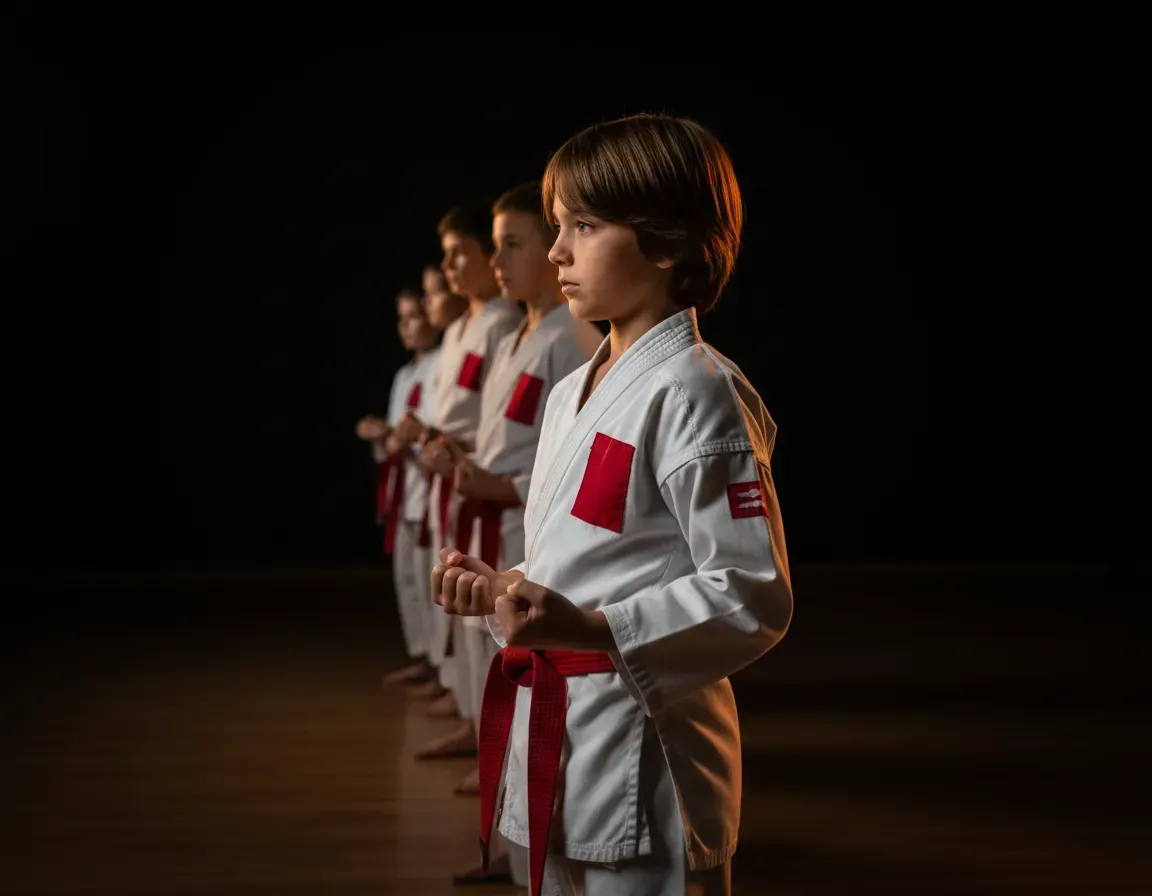
Martial Arts & Karate Classes in Clermont, FL: The Complete Guide for Kids and Adults
Martial Arts & Karate Classes in Clermont, FL: The Complete Guide for Kids and Adults
By Chad Love, South Lake Karate Academy
Martial arts offer a unique blend of physical fitness, self-defense techniques, and personal development, making them an ideal choice for individuals of all ages. Whether you are looking for enrichment activities for your children or a robust training regimen for yourself, this guide highlights the extensive offerings available in Clermont, FL. The various karate classes cater to different age groups, skill levels, and personal goals, providing not just a workout but also valuable life skills. With numerous benefits linked to martial arts training, including improved focus, discipline, and fitness, this guide will help you choose the right program for you and your family. We will explore class structures, the benefits of martial arts, safety measures, enrollment information, and the importance of these practices for families in Clermont.
Comprehensive Guide to Martial Arts and Karate Classes in Clermont, FL
Martial arts encompass a wide range of fighting techniques and philosophies, with karate being one of the most popular forms practiced across the globe. In Clermont, various programs are designed to introduce newcomers to the fundamentals of martial arts, ensuring that students receive appropriate training based on their age and experience. Families seeking a place that promotes learning, discipline, and confidence will find many options tailored to meet diverse needs. This comprehensive guide will help you navigate through different class offerings and what you can expect from martial arts training in your community.
1. Class Structures:
Understanding the class structures available is crucial for identifying which program will suit your needs. Different martial arts classes cater to specific demographics and fitness levels.
Kids Programs:
Martial arts classes for kids are designed to instill foundational skills that promote physical fitness and mental discipline. Programs usually focus on developing motor skills, enhancing self-esteem, and teaching respect through structured lessons.
Black Belt Kids (Ages 4-5):
The Black Belt Kids program introduces young children to martial arts through fun and engaging training sessions. This program emphasizes foundational motor skills, encouraging kids to enjoy learning while fostering discipline and focus from a young age. Children in this age group typically engage in activities that develop their physical coordination in a safe environment.
Core Warriors (Ages 6-12):
Core Warriors is an intermediate program designed for children ages 6 to 12, focusing on character development through martial arts techniques. This curriculum includes self-defense skills, enhances fitness, and promotes parental involvement to support children's progress. By participating in this program, kids learn how to set goals and work toward achieving them, which translates into other aspects of their lives.
Teen & Adult Classes:
Classes for teens and adults offer a variety of skill levels and focus areas, catering to those who wish to improve fitness, self-defense capabilities, or simply seek a supportive community. These classes are structured to accommodate individuals at different stages of their martial arts journey, ensuring a safe and productive training environment for all. Participants can enjoy a balance of rigorous training and social interaction, enhancing both their physical fitness and emotional well-being.
2. Benefits of Martial Arts:
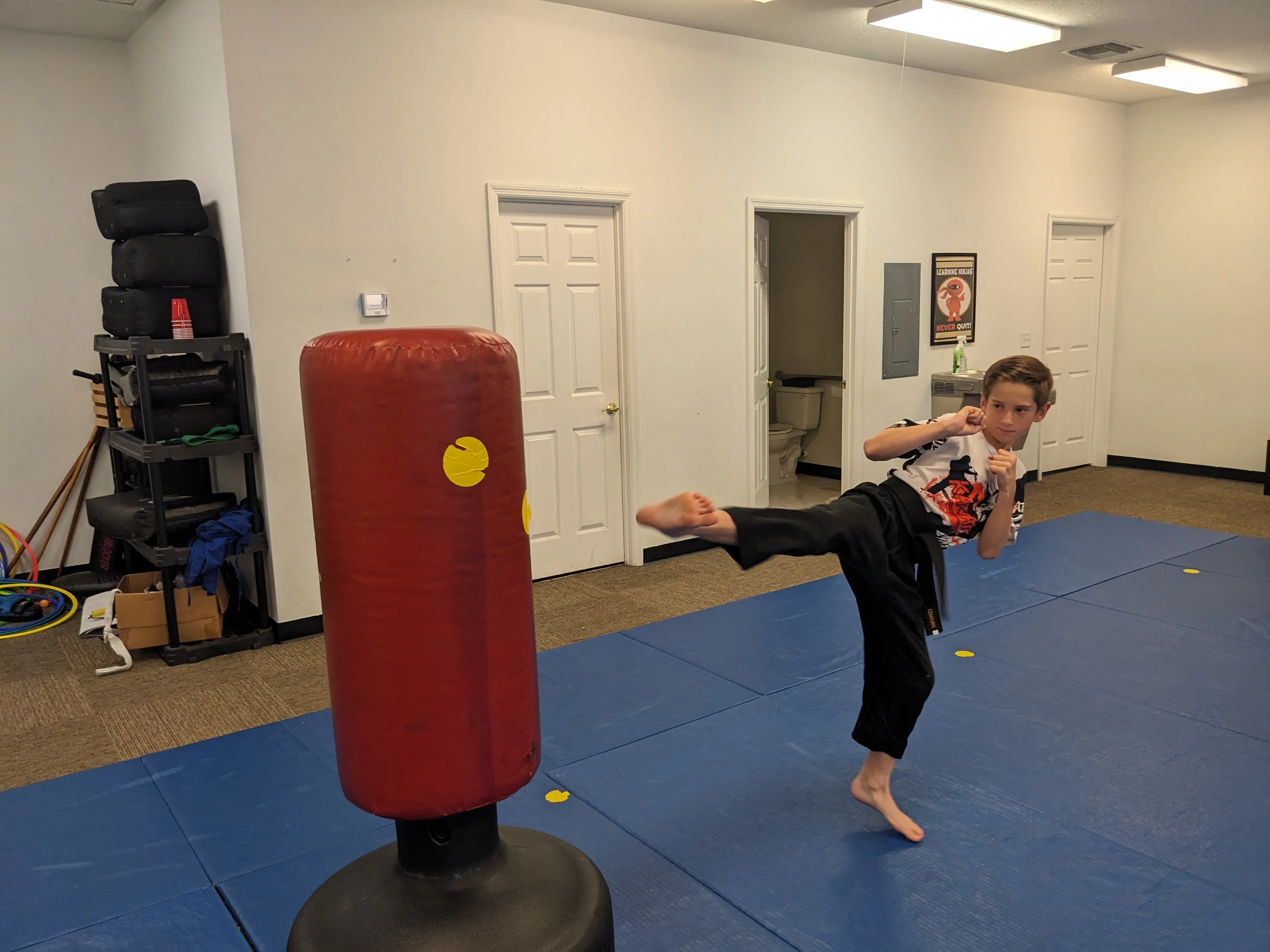
Engaging in martial arts training offers numerous benefits that extend beyond just physical fitness.
- Improved Physical Health: Regular participation in martial arts enhances cardiovascular fitness, strengthens muscles, and increases flexibility.
- Mental Discipline: Martial arts teach focus, patience, and discipline, encouraging mental resilience that can benefit students in various aspects of life.
- Social Skills: Training often involves working with peers and instructors, promoting teamwork and building a sense of community and belonging.
The combination of physical and mental growth makes martial arts an attractive option for individuals looking to improve overall health and well-being.
Research demonstrates that participating in structured martial arts programs can yield significant biopsychosocial advantages for developing youth.
Martial Arts for Youth Mental Health: Biopsychosocial Benefits
1. The current youth mental health crisis demands innovative, accessible interventions that bypass systemic barriers to traditional treatment. This paper argues that well-structured martial arts programs can promote holistic health by fostering documented biopsychosocial benefits. When adapted for school settings, martial arts may enhance self-efficacy, social bonding, and access while helping to overcome barriers such as stigma and cost. Effective implementation requires addressing methodological limitations in existing research, prioritizing safety protocols, and developing sustainable, school-appropriate programs that are not dependent on continuous psychological oversight. Biopsychosocial gains throughout training appear at the intersection of fostering intrinsic motivation, participation in shared rituals, and the integration of traditional philosophical elements that strengthen self-efficacy. Because training philosophy plays a critical role in outcomes, it must be clearly defined for programmatic success. This paper offers healthcare providers and educators evidence-based recommendations for safely and feasibly integrating holistic martial arts programs into schools and community settings. Martial arts as biopsychosocial interventions: expanding mental health access for youth, 2025
3. Safety Measures:
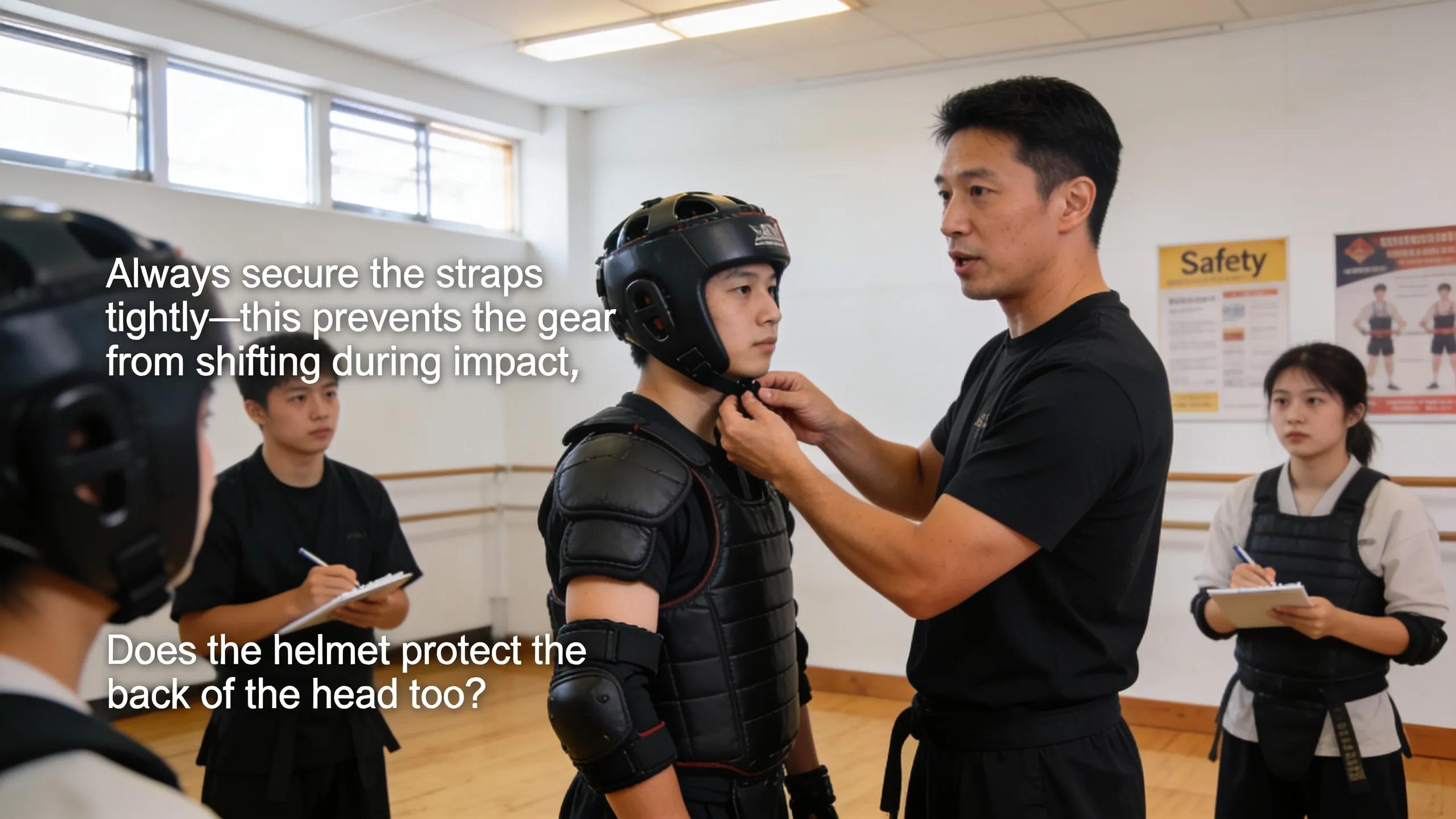
Safety is a paramount concern for any martial arts program. Organizations prioritize creating safe training environments and implementing thorough safety measures.
- Protective Gear: Ensuring participants wear appropriate protective gear minimizes injury risks during training sessions.
- Instructor Certifications: Qualified instructors undergo rigorous training and certification processes to teach safely and effectively.
- Safe Training Environments: All classes are held in controlled environments, tailored to suit the participants' age and skill level, offering a safe space to learn and grow.
These safety measures help bolster parents' confidence in enrolling their children in martial arts classes, knowing that their well-being is a top priority.
4. Enrollment Information:
Enrollment in martial arts classes is straightforward, and many academies offer resources to assist potential students.
- Interested individuals can contact the South Lake Karate Academy for more information on enrollment steps and class schedules.
- Trial classes are often available to give participants a taste of martial arts training before committing to a full program.
- Prospective students can reach out by calling (352) 419-0123 or visiting the academy located at 245 Citrus Tower Blvd, Suite 202, Clermont, FL 34711.
Understanding these enrollment processes can make the transition into martial arts training smooth and accessible.
5. Additional Considerations:
When selecting a martial arts program, certain additional factors can influence decision-making.
- Instructor Qualifications: Investigating the background and teaching philosophy of instructors can provide insight into the quality of training offered.
- Class Size: Smaller class sizes may lead to more personalized attention and a better learning environment.
- Community Environment: A supportive training community enhances the learning experience, making classes enjoyable for both children and adults.
These considerations can make a significant difference in the overall martial arts experience and outcomes for students.
Why Choose Martial Arts Classes in Clermont for Your Family?
Families looking to enroll in martial arts classes in Clermont will find a diverse range of benefits. Physical and mental health improvements from regular practice promote not only fitness but also emotional stability in children and adults. Moreover, martial arts classes foster community engagement, allowing families to connect with others who share similar interests, enhancing the overall experience.
What Benefits Do Kids Gain from Karate Training?
Karate training provides multiple benefits for children, including increased physical fitness, improved self-esteem, and enhanced social skills. By participating in regular practice, children strengthen their bodies and learn to overcome challenges, which builds resilience and confidence.
Studies evaluating game-based karate training confirm that playful approaches significantly boost children's social interactions and motor skill perceptions.
Karate Training Enhances Children's Social & Motor Skills
ABSTRACT: AbstractObjectives.The study aimed to evaluate the effects of sport-specific educational proposals in school-age sports, currently used in planning of sports activities, such as game-based karate training, on social interactions and improving perceptions of one’s motor skills.Materials and methods.The sample consisted of 34 children from the Comprehensive Institute “Matilde Serao” in Ortona, Chieti, attending the third classes of the Primary School, in the school year 2023/2024. The method used was based on the Karate Sport Game protocols in conjunction with the dissemination of the ethical principles inherent to the martial arts. A questionnaire was developed for the purpose of assessing the learners’ levels of satisfaction, as well as the perceptions they had about themselves and in relation to others during this training intervention.Results. In the post-implementation evaluation of the educational proposals’ results, it was shown that 94.1% of participants had a positive experience1. Objectives.The study aimed to evaluate the effects of sport-specific educational proposals in school-age sports, currently used in planning of sports activities, such as game-based karate training, on social interactions and improving perceptions of one’s motor skills. Karate game: using a playful and participatory approach to enhancing children's social and motor perception during the developmental age, S Aliberti, 2024
How Adult Karate Classes Boost Confidence and Fitness
Adult classes in karate focus on holistic health improvements, including physical fitness, stress relief, and self-defense skills. Participants often report feeling more confident in their ability to handle daily challenges, both mentally and physically, as they advance through the training stages.
Which Kids Karate Programs in Clermont Fit Your Child’s Age and Skill?
Determining the right karate program for children depends on their age and skill level.
What Age Groups Can Start Kids Karate Classes in Clermont?
Children as young as four years old can begin karate classes. Programs are designed to cater to various age groups, helping kids learn foundational skills while ensuring they have fun in the process.
How Does Belt Progression Work for Kids?
Belt progression in karate is structured around skill acquisition and personal achievement. Children earn belts through willful participation and demonstrations of their abilities, instilling a sense of accomplishment and motivation to progress further.
How to Get Started with Adult Martial Arts Training in Clermont, FL
Adults interested in starting martial arts training will find various resources available to help guide their journey.
Are Beginner Karate Lessons in Clermont Suitable for Adults?
Yes, beginner lessons are designed for adults of all fitness levels. Instructors create an inclusive environment where novices can learn at their own pace, ensuring that everyone feels welcome.
What Does the Adult Training Curriculum Include?
Adult training typically covers various aspects of karate, including self-defense techniques, physical fitness, and competitive readiness. This comprehensive curriculum supports personal growth and skills development, catering to individual goals and preferences.
Where and How to Enroll in Family Karate Classes Near You in Clermont
Finding family-friendly karate classes is essential for those seeking a holistic martial arts experience.
What Are Class Schedules, Pricing, and Enrollment Steps?
- Enrollment for classes can often be initiated by contacting the South Lake Karate Academy directly. They offer trial classes to prospective members.
- Registration typically includes reviewing class schedules, understanding pricing structures, and confirming enrollment steps with the academy.
Who Are the Instructors Leading Clermont Karate Classes?
The instructors at South Lake Karate Academy possess diverse backgrounds in martial arts. They bring valuable experience and teaching philosophies that focus on guiding students effectively through their martial arts journeys while maintaining a supportive environment.
Traditional karate philosophies continue to serve as a comprehensive educational system focused on long-term character development and discipline.
Karate as an Educational System for Character Development
Karate is changing, because the cultural background and motivation of the people practising it is changing. Two major trends dominate the development of karate: the preservation of orthodox teaching and that of continuous modifications. In particular the representatives of the strictly Japanese schools and organizations, opt to keep the spirit of Budo alive through karate.Because karate is a part of Budo, we are dealing here with the case of the educational system, in which the values of Budo are used for the proper development of the student. This involves a long-term teaching and raising him by a normative system and daily discipline of physical exercise, or rather psychophysical. Karate, in its various forms, brings numerous educational values. However, a teacher chooses a student basing on their personality. Only a good teacher is able to properly use karate to positively influence the character and personality of a student. The master’s own example is especially important. And it is usually a long process. Karate, traditionally understood, teaches traditional values, and is recommendable as the educational system. The traditionally understood karate-do as an educational system: application of the martial arts' pedagogy, 2017

Get In Touch
Phone Number:
352-419-0123
